October in the Lower Mainland is the last call. The rain has started, the temperatures are dropping at night, and the window for outdoor maintenance work is getting smaller every week. By November, many exterior tasks become weather-dependent, trade availability tightens, and anything you meant to get to becomes something you are dealing with in February.
Winter property maintenance in the Lower Mainland is not about preparing for snow. It is about preparing for six months of rain, wind, freeze-thaw cycles, early darkness, and the cumulative pressure that wet weather puts on every surface, seal, and system in your building.
This guide covers the winter property maintenance tasks that matter most, and the ones that are most commonly skipped until they become emergencies.
BC winters in the Lower Mainland are mild compared to the rest of Canada, which leads some property owners and managers to underestimate what preparation is actually required. The Lower Mainland does not typically freeze solid, but it does receive some of the highest annual rainfall in the country. Coquitlam, Maple Ridge, and Pitt Meadows in particular sit at the base of the mountains and receive significantly more precipitation than Metro Vancouver proper.
That sustained moisture is what drives winter property maintenance in the Lower Mainland. It finds every gap in the building envelope, every blocked drain, every unsealed surface. Properties that are not properly prepared going into winter accumulate damage slowly and invisibly, until spring reveals what six months of wet weather left behind.
Work through these tasks in October. By November, many of them become significantly harder to complete.
Building Envelope Winter Property Maintenance for the Lower Mainland
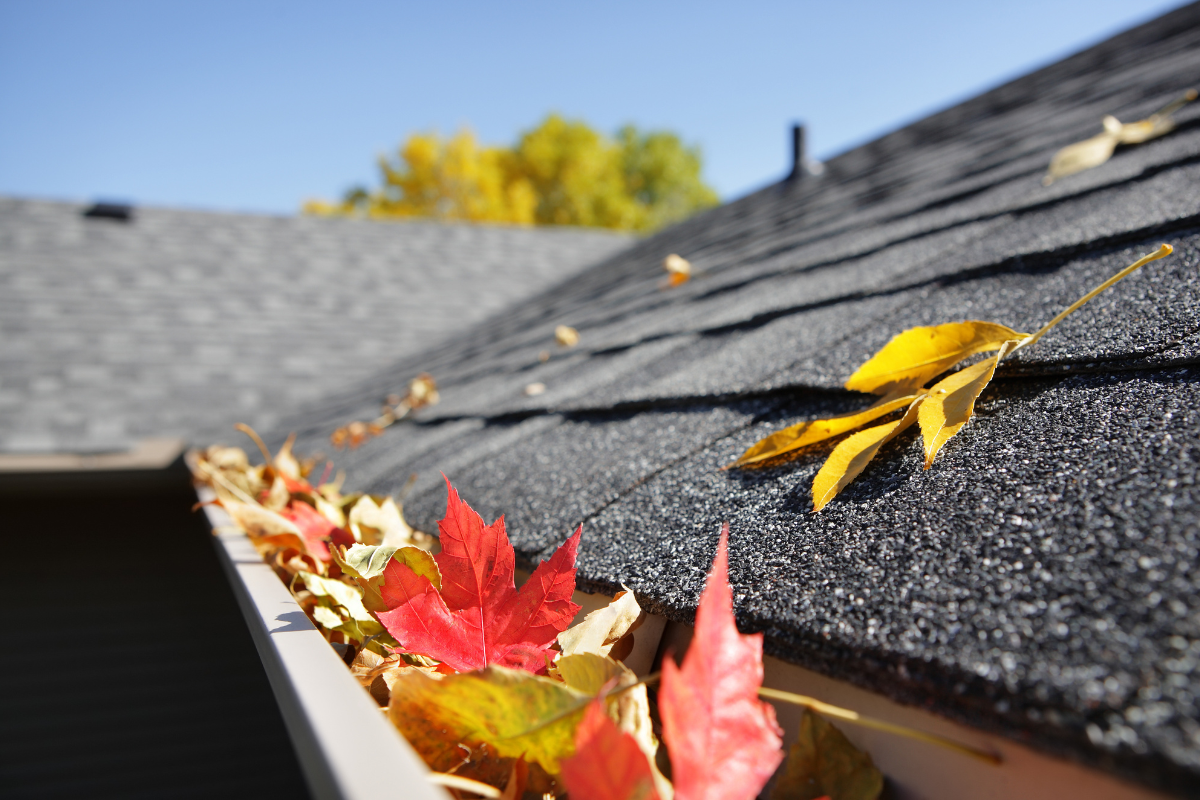
Roof and Drainage Winter Property Maintenance in the Lower Mainland
Mechanical Systems Winter Property Maintenance for Lower Mainland Properties
Exterior Grounds Winter Property Maintenance for the Lower Mainland
Common Area Winter Property Maintenance Tasks
October is the month that separates properties that spend the winter managing conditions from properties that spend the winter managing damage. The tasks on this list take time and coordination. Starting now gives you enough of both.
These are the ones that come up repeatedly in spring, after the damage is done.
Caulking Around Windows and Doors
It is easy to underestimate how much water caulking keeps out over a Lower Mainland winter. A gap that looks minor in October will have admitted water through hundreds of rain events by March. The remediation cost for water-damaged wall assemblies is many times the cost of re-caulking.
Heating System Service
This one gets deferred because the system is working. It fails when demand is highest, typically in November or December, when service technicians are booked and your tenants or residents have no heat. A service call in October costs the same as it did in June and comes with a much shorter wait time.
Sump Pump Testing
Properties with parkade sumps that have not been tested since the previous winter are one heavy rain event away from flooding. Testing takes minutes. Pumping out a flooded parkade and dealing with the water damage aftermath does not.
Entry Mat Condition
This one seems minor until you see what a Lower Mainland winter does to lobby flooring when the entry mat is undersized, worn flat, or positioned incorrectly. Replacing a lobby mat is inexpensive. Refinishing or replacing lobby flooring is not.
When should winter property maintenance be completed in the Lower Mainland?
October is the target month for completing winter property maintenance in the Lower Mainland. The rain typically intensifies through October and November, and exterior work becomes weather-dependent once it arrives. Heating system servicing and mechanical checks should be completed before November to avoid the peak demand period.
What is the most important winter property maintenance task for a Lower Mainland building?
Building envelope integrity is the highest priority for winter property maintenance in the Lower Mainland. Inspecting and re-caulking around windows, doors, and penetrations, and confirming roof drainage is clear and functional, will prevent the majority of water intrusion issues that develop through a BC winter.
Does winter property maintenance in the Lower Mainland include snow and ice management?
For most properties in Coquitlam, Port Moody, and Port Coquitlam, snow and ice management is a contingency rather than a routine requirement. For properties in Maple Ridge, Pitt Meadows, and higher-elevation areas of the Tri-Cities, having a plan and the materials in place before the first cold snap is part of responsible winter preparation. Azul Mountain can advise on the appropriate level of preparation for your specific property location.
Can Azul Mountain help with winter property maintenance for Lower Mainland buildings?
Yes. Azul Mountain provides winter property maintenance services for strata corporations, commercial property managers, and residential property owners across Coquitlam, Port Moody, Port Coquitlam, Maple Ridge, and Pitt Meadows. Our team can work through your winter preparation checklist and coordinate the trades and services your property needs before the wet season is fully underway.
Do not wait for the first November storm to find out what was missed. Contact Azul Mountain now to schedule your winter property maintenance for your Lower Mainland building.